
In 2024 and 2025, online searches for “vape safety” and “disposable vape side effects” skyrocketed by over 200%. With disposable devices becoming more advanced and powerful—exemplified by the 25,000-puff RAZ Vape 25000—users are rightfully asking serious questions: Is this device safe to inhale? Will the battery overheat? What exactly are the chemicals inside that “Miami Mint” flavor?
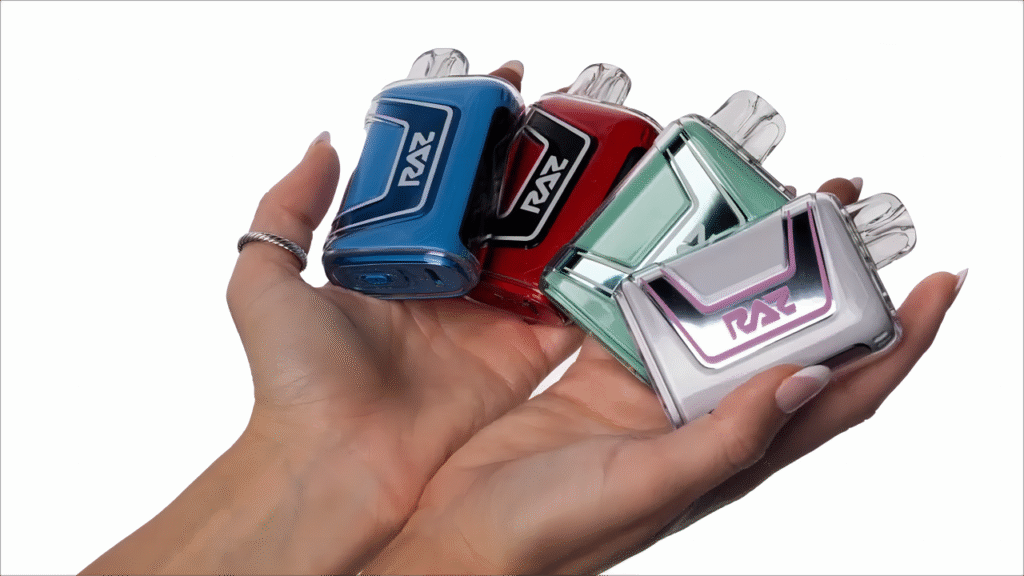
It is a fair and necessary question. The internet is flooded with conflicting stories about “popcorn lung,” exploding batteries, and unregulated chemical fillers found in black-market products. As the official authorized headquarters for the RAZ brand in the US, we believe the best way to address fear is with radical transparency and hard data. We are not here to claim that inhaling vapor is as natural as breathing fresh mountain air. Instead, we are providing a comprehensive, data-driven analysis of our lab reports, manufacturing standards, and safety protocols so you can make an informed decision.
This comprehensive guide will break down the chemical composition of our e-liquids, the engineering behind our battery safety, and the critical differences between authentic products and the dangerous clones flooding the market.
The Chemistry Lab: Breaking Down RAZ E-Liquid Ingredients
The safety of any disposable vape hinges primarily on the quality of its e-liquid. Unlike traditional combustible cigarettes, which produce over 7,000 chemicals (including 69 known carcinogens like tar, arsenic, and carbon monoxide) when burned, authentic RAZ vapes operate on a much simpler, cleaner chemical profile. We strictly adhere to the standards set for PMTA (Premarket Tobacco Product Applications) compliance in the United States.
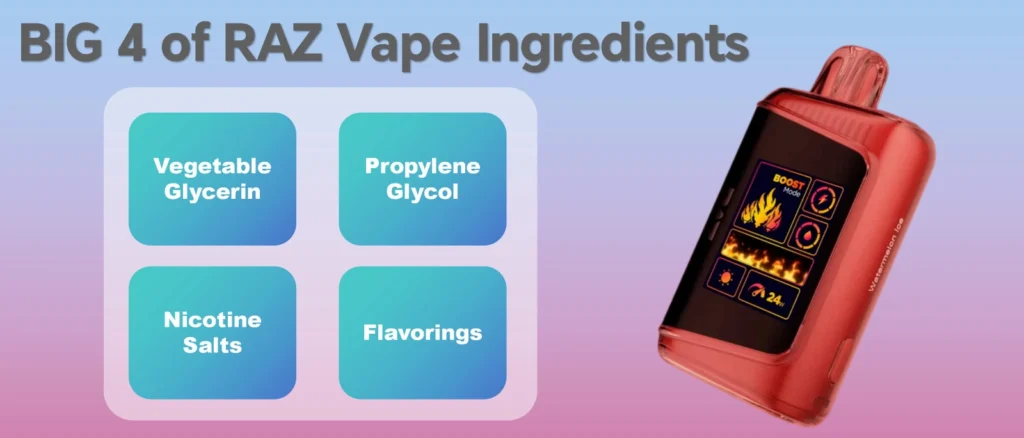
For a complete breakdown, you can view our technical report on RAZ Vape Ingredients, but here is the essential analysis of the “Big Four” components found in every device:
1. Vegetable Glycerin (VG)
VG is a thick, clear, and odorless liquid derived from plant oils—typically palm, soy, or coconut. It is the primary ingredient responsible for the density of the vapor clouds you see. Beyond vaping, VG is categorized by the FDA as “Generally Recognized as Safe” (GRAS) and is widely found in food sweeteners, cosmetics, and medical syrups. It is non-toxic, water-soluble, and hypoallergenic.
2. Propylene Glycol (PG)
PG is a thinner, colorless liquid that acts as the carrier for the flavor and nicotine. It provides the “throat hit”—that slight sensation in the back of the throat that mimics the feeling of smoking. This is crucial for satisfying ex-smokers. Like VG, PG is FDA-approved for human consumption and is a common carrier in asthma inhalers and nebulizers. However, PG is a humectant, meaning it absorbs moisture, which is why vaping can sometimes cause dry mouth (dehydration).
3. The “Diacetyl-Free” Standard (Popcorn Lung Myth vs. Reality)
This is the single most common question we receive regarding flavor safety. Diacetyl is a buttery flavoring agent that was historically linked to a rare, serious lung condition known as bronchiolitis obliterans, colloquially known as “popcorn lung.”
All authentic RAZ e-liquids—from Night Crawler to Tiffany—are rigorously tested to be free from Diacetyl, Acetyl Propionyl, and Vitamin E Acetate (the harmful thickener linked to the 2019 EVALI outbreak in illicit THC carts). We use only certified food-grade flavorings that are heat-stable.
4. Pharmaceutical-Grade Nicotine Salts
Authentic RAZ devices utilize Nicotine Salts rather than the older, harsher “freebase” nicotine. Nicotine salt is formulated by combining pure nicotine with an organic acid (typically benzoic acid). This lowers the pH level of the liquid, allowing for smoother inhalation at higher strengths (5%) without the harsh burning sensation. This makes it significantly more effective for adult smokers transitioning away from combustible tobacco, as it delivers nicotine to the bloodstream more efficiently.
The Biological Impact: Nicotine Safety & Side Effects
While our ingredients are pharmaceutical-grade, it is scientifically dishonest to ignore the effects of nicotine itself. Nicotine is a bioactive chemical and a stimulant, similar in some ways to caffeine, but it is highly addictive. It raises heart rate and blood pressure temporarily.
However, leading public health organizations, including the CDC (Centers for Disease Control and Prevention) and Public Health England, maintain that the primary danger of smoking comes from the combustion of tobacco leaves, not the nicotine itself. Vaping eliminates combustion, thereby eliminating the tar and carbon monoxide responsible for most smoking-related diseases.
Potential Side Effects
Even with a safe device, consuming too much nicotine can cause temporary side effects. Be aware of:
- Dry Mouth/Throat: Caused by PG absorbing moisture. Solution: Drink more water than usual while vaping.
- Nicotine Rush (Lightheadedness): If you feel dizzy, put the device down immediately. You have consumed too much nicotine.
- Coughing: This can happen if the wattage is too high or the airflow is too tight. Check our guide on How to Use RAZ Vape to adjust your settings.
🌱 The Solution: Zero Nicotine Options
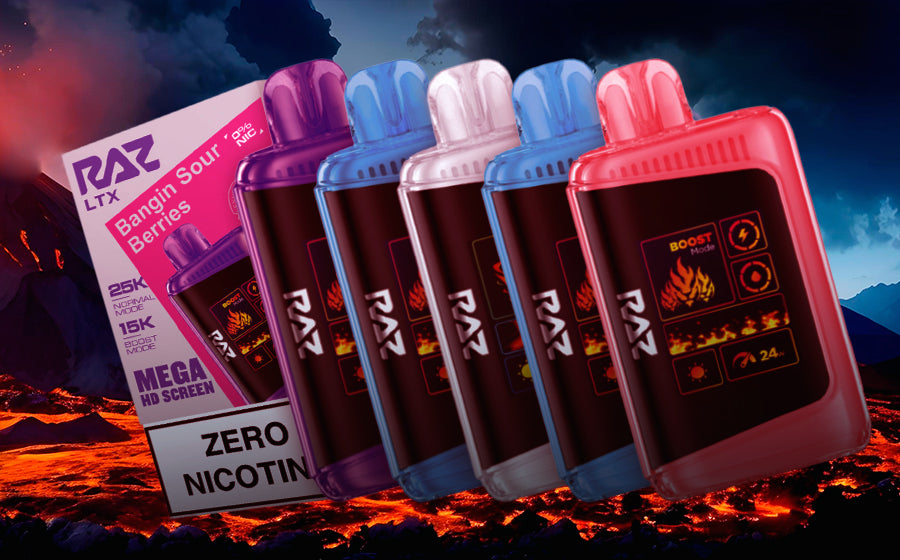
We understand that many users enjoy the sensory experience of vaping—the flavor, the hand-to-mouth habit, the stress relief—but do not want the chemical dependency. That is why we developed the RAZ Zero Nicotine Collection.
These devices (available in both TN9000 and LTX models) contain the exact same premium flavorings, cooling agents, and VG/PG ratios as our standard models, but with 0% (0mg) nicotine. This allows you to step down your usage or enjoy vaping purely for the flavor without the risk of addiction.
Hardware Engineering: Can RAZ Vapes Explode?
Safety is not just about chemistry; it is about engineering. You may have seen frightening videos on the news of vape batteries venting or catching fire. It is important to understand that these incidents are almost exclusively associated with modified, unregulated “mechanical mods” or improper charging of loose lithium-ion cells.
Authentic RAZ disposables are “regulated devices.” This means they contain a sophisticated microchip—the Battery Management System (BMS)—that acts as a brain between the battery and the heating coil. This chip monitors the device state over 1,000 times per second.
Built-in Safety Protections in RAZ TN9000 & DC25000:
- Overcharge Protection: The BMS automatically cuts off the current the moment the battery reaches 4.2V (100%). Even if you leave it plugged in overnight (which we still advise against), the battery will not continue to draw power and overheat.
- Short-Circuit Protection: If the device detects a hardware fault, a damaged coil, or moisture in the internal circuitry, it will instantly disable the firing mechanism to prevent a hard short.
- Over-Discharge Protection: It prevents the battery from draining to a dangerously low voltage, which can cause chemical instability in lithium cells.
- 10-Second Cut-Off: If the device accidentally activates in your pocket or bag for more than 10 seconds, the chip cuts power to prevent the coil from overheating.
To ensure you are charging your device correctly and preserving battery health, please read our guide on How to Charge and Use RAZ Vape.
The Real Danger: Counterfeit Clones vs. Authentic Devices
If there is one section of this article you read carefully, let it be this one. The biggest safety risk facing vapers today is not authentic products—it is the flood of counterfeit clones.
Because RAZ is a top-selling brand in the US, illegal factories overseas produce millions of look-alike devices. These fakes are often sold in gas stations, convenience stores, or unverified websites. They do not follow US safety regulations.
⚠️ The Hidden Risks of Fake Vapes
Lab analyses of seized counterfeit vapes have revealed horrifying results:
- Heavy Metals: Fake coils often use cheap, non-resistant wire that leaches lead and arsenic into the vapor when heated.
- Dangerous Batteries: Counterfeits often use recycled, rejected, or damaged battery cells that failed safety tests, significantly increasing the risk of fire.
- Unknown Chemicals: To cut costs, fake e-liquids may contain industrial solvents or banned pesticides.
| Feature | Authentic RAZ Device | Counterfeit / Clone |
|---|---|---|
| Ingredients | Lab-tested, Diacetyl-free | Unknown industrial chemicals |
| Battery Cell | UL-Certified Cobalt | Recycled, unstable cells (Fire Risk) |
| Chipset | Regulated BMS Protection | Direct Output (No Safety) |
| Airflow | Isolated Airpath | Passes over electronics (Fume Risk) |
How to Protect Yourself: The only way to guarantee you are not inhaling heavy metals or holding a dangerous device is to verify your purchase. Every authentic RAZ box comes with a scratch-off QR code. Use our Product Authentication Tool to verify your serial number. If it fails, stop using it immediately.
Common Issues: Troubleshooting vs. Safety Hazards
Sometimes, what seems like a safety issue is just a maintenance glitch. For example, if your device tastes burnt, it doesn’t mean it’s toxic—it means the cotton wick is dry or the e-liquid is depleted. Do not continue to inhale if it tastes burnt.
If your device is acting strangely—for example, if it is not hitting, the light is blinking rapidly, or it won’t charge—it is likely a usage issue rather than a safety hazard. Before throwing it away, check our troubleshooting guide: How to Reset RAZ Vape.
Final Verdict: Are RAZ Vapes Safe?
Safety is relative. If you compare vaping to breathing clean air, then no, inhaling any substance is not completely “safe.” But if you ask: “Are RAZ Vapes safer than smoking traditional cigarettes?” The scientific consensus from major public health bodies is a resounding yes.
When you purchase an authentic RAZ Vape from an authorized source, you are getting a product that uses pharmaceutical-grade ingredients, food-grade flavorings, and advanced safety technology. We provide the transparency you need to make the choice that is right for your health. If you are ready to choose a safer, verified device, explore our official collections below.
Shop Authentic RAZ Devices
RAZ TN9000
9,000 Puffs
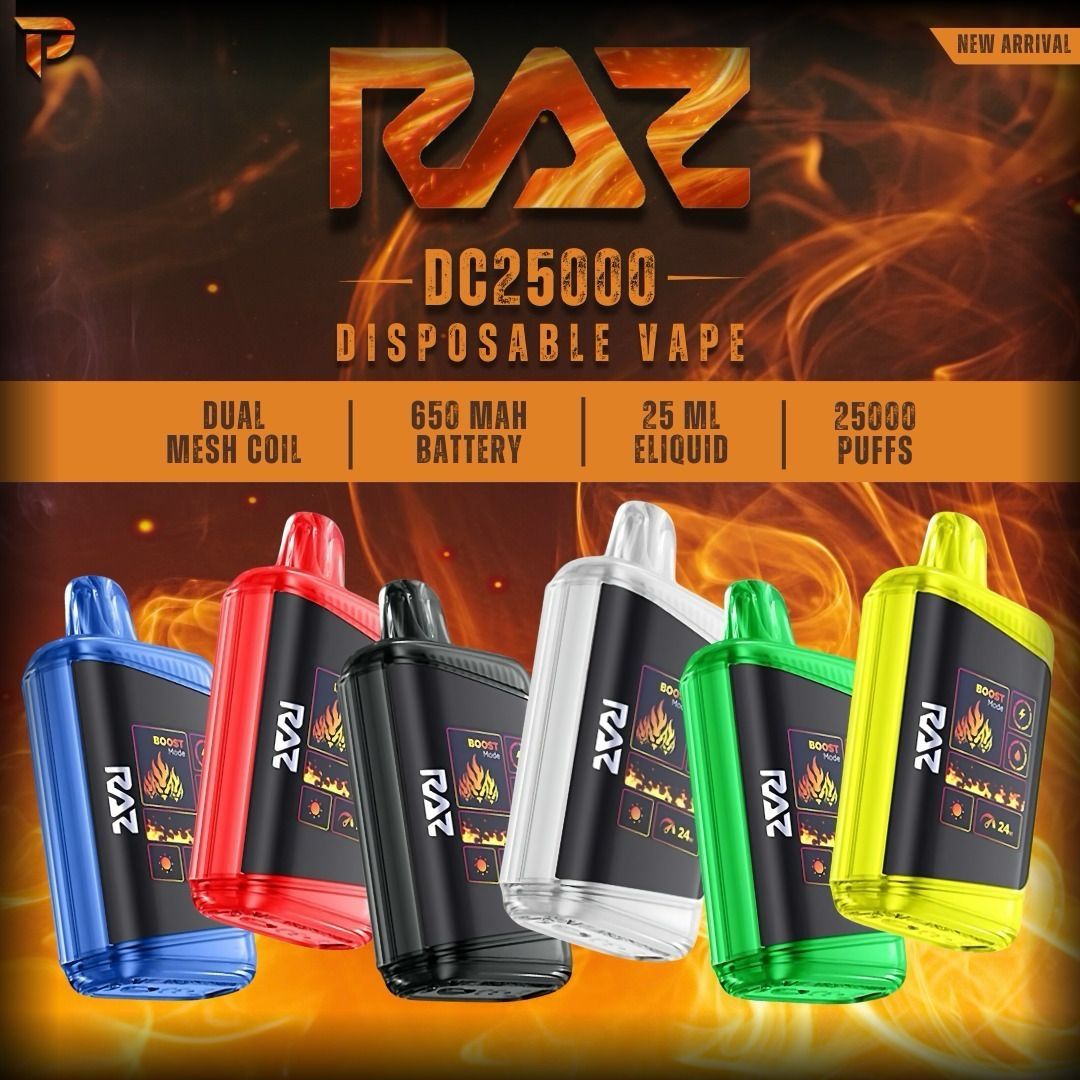
RAZ DC25000
25,000 Puffs
RAZ RX 50K
50,000 Puffs

Purse Vape (35K)
Fashion Edition
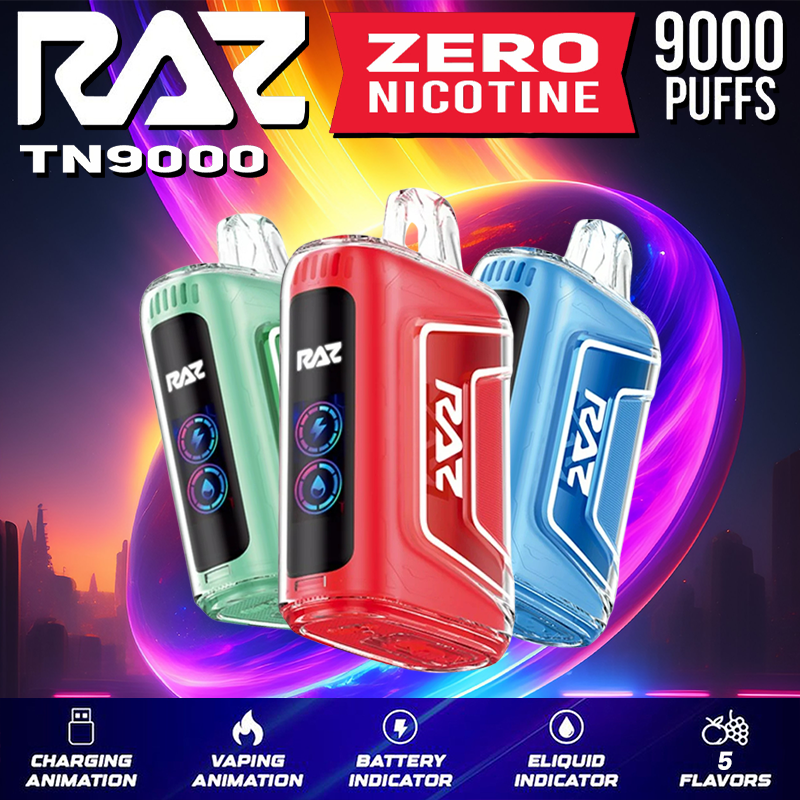
TN9000 Zero Nic
0% Nicotine
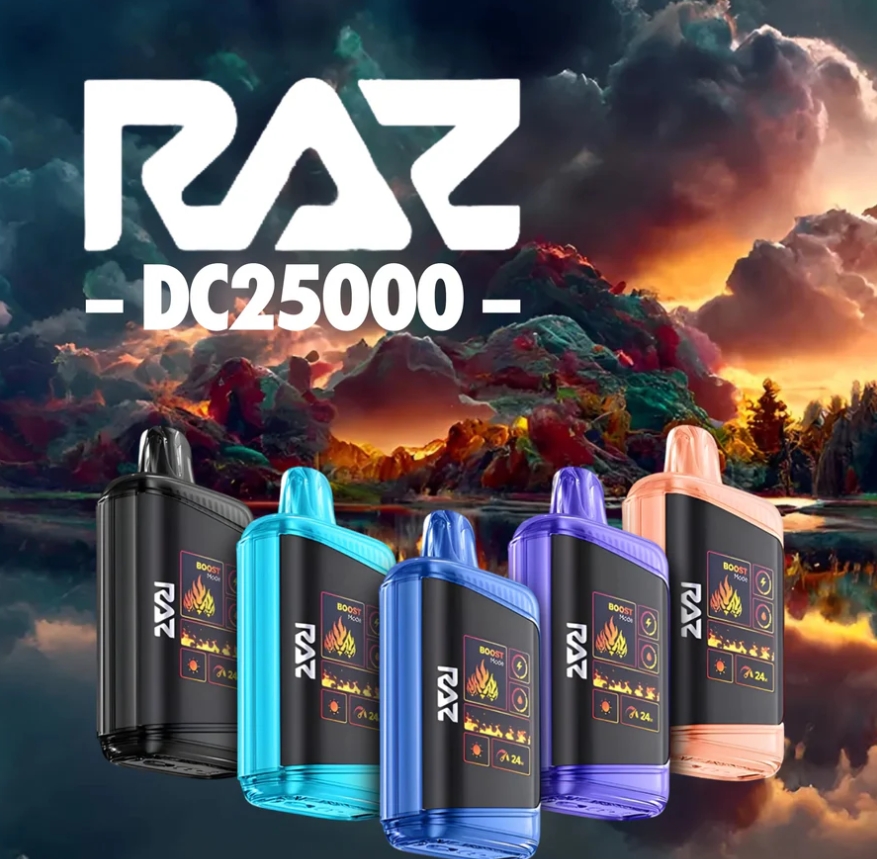
LTX 25K Zero Nic
0% Nicotine
Frequently Asked Questions About Safety
For responsible disposal of electronic devices, visit EPA lithium-ion battery recycling.